Brooklyn School of Excellence Early Excellence

Blogs
How Preschool Programs Help Children Prepare for Kindergarten
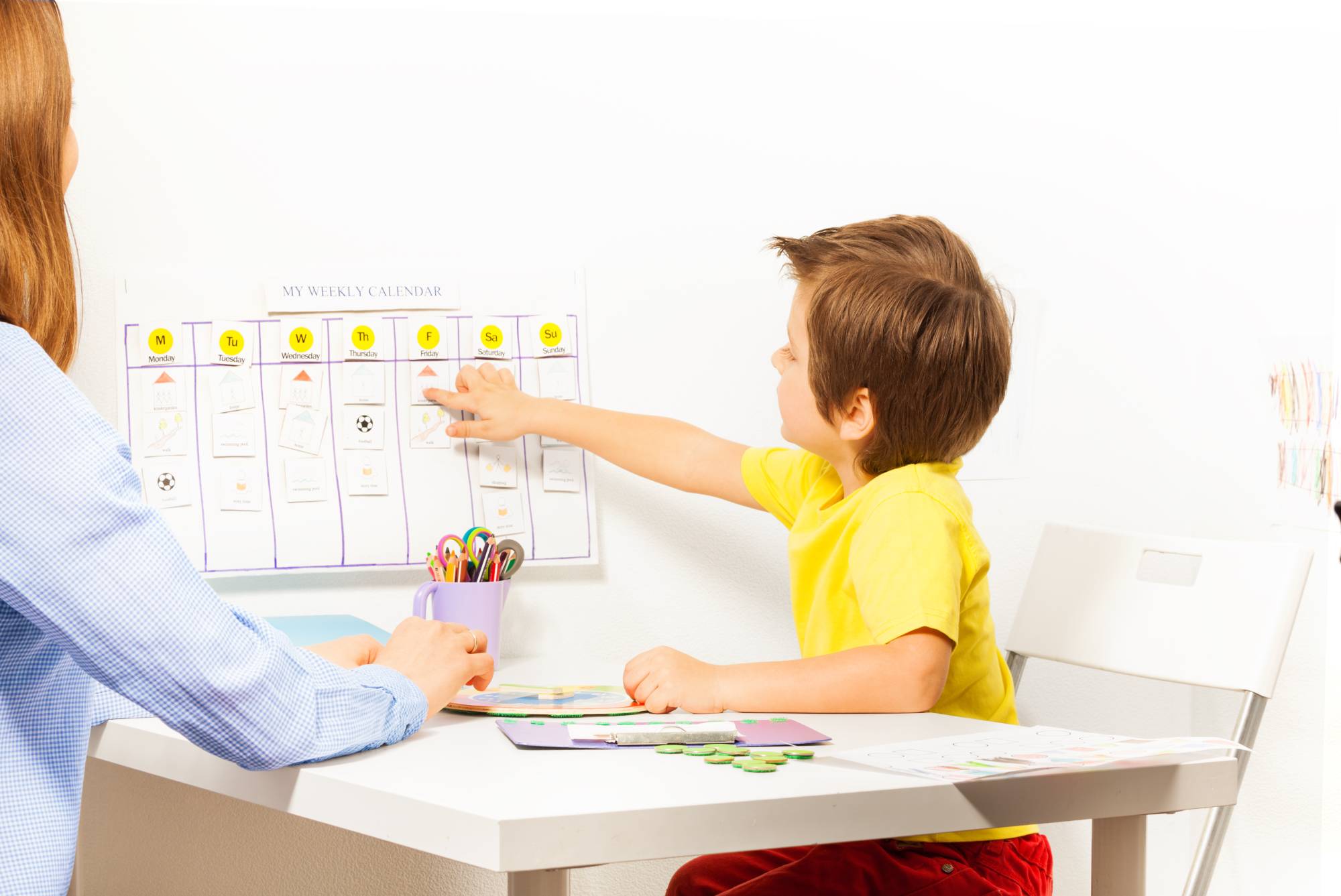
When Brooklyn parents picture their child’s first day of kindergarten, they often imagine the moment with pride, excitement, and just a touch of uncertainty. The neatly packed backpack, the cheerful classroom, and brave wave goodbye become lasting memories.
What many parents realize along the way is that true kindergarten readiness begins in preschool.
Preschool is where children first experience organized learning beyond home. They practice classroom habits like listening during circle time, following teacher directions, moving between activities, and completing simple tasks on their own. Along with early literacy and counting, they explore storytelling, music, art, sensory play, and hands-on projects that make learning fun and approachable.
Essentially, preschool helps children discover the joy of belonging and the excitement of realizing, “I can do this.” Let’s go over exactly how these programs prepare children for kindergarten.
Why Is Preschool Important for Early Childhood Development?
Parents searching for why preschool is important are usually trying to understand whether early education truly helps children prepare for school. The answer goes far beyond learning letters and numbers.
Preschool helps children develop communication skills, emotional awareness, independence, and classroom behavior during some of the most important years of early childhood development. They begin learning how to listen during group instruction, raise their hands, and participate respectfully alongside classmates.
Research consistently supports the value of early learning. According to the National Institute for Early Education Research, children who attend high-quality early childhood programs enter kindergarten with stronger language, math, and social skills compared to peers who do not attend.
Reputable pre-kindergarten learning programs also encourage curiosity through storytelling, art, music, sensory play, and tactile learning experiences. Instead of feeling pressured, children learn through guided exploration that helps them feel comfortable and ready for group learning.
Essential Pre-Kindergarten Skills Children Develop in Preschool
As children grow through their preschool experience, they naturally build habits and abilities that prepare them for the next stage of their education.
Early Reading & Language
Storytelling, songs, and classroom discussion help preschoolers recognize letters and connect sounds with language.
Basic Math Readiness
Quality pre-kindergarten learning programs introduce counting, sorting, number recognition, shapes, and patterns through hands-on games and guided activities. These experiences help children develop early problem-solving and critical thinking skills.
Social and Emotional Capabilities
Preschool classrooms help children practice sharing, teamwork, patience, and emotional expression. They also learn how to follow classroom instructions, cooperate with peers, and participate respectfully in group settings.
Independence and Routine Building
Children become more comfortable managing simple tasks independently, including cleaning up activities, organizing belongings, and transitioning between lessons without constant assistance.
Attention & Classroom Participation
Planned lessons nurture attention span and encourage active participation during circle time, group lessons, and creative projects. These pre-kindergarten skills give children the confidence to thrive in a more formal school setting.
How Preschool Programs Build Social Confidence Before Kindergarten
A child’s social confidence typically begins in preschool. Here, children spend time with peers in a safe, encouraging environment where friendships grow naturally. They learn to take turns, help one another, and express feelings through words instead of frustration. Group activities promote teamwork, while daily classroom flow instills a sense of comfort and predictability.
Consistent classroom expectations also help reduce anxiety before kindergarten begins. Over time, their experiences develop confidence and independence.
The Role of Pre-Kindergarten Learning Programs
Pre-kindergarten learning programs help children feel more secure because they know what to expect throughout the day. Familiar schedules create stability while helping children transition smoothly between activities, lessons, meals, and playtime.
Balanced classrooms combine guided instruction with creativity and movement. A child may move from storytelling and counting activities into music, sensory play, art projects, or collaborative learning stations throughout the day.
Key benefits of play-based learning for preschoolers include:
- Age-appropriate curriculum that supports gradual learning progression
- Consistent routines that help children build confidence and independence
- A balance of academics, creativity, and play-based learning
- Guided activities that improve focus and classroom participation
- Separate developmental stages for toddlers, preschoolers, and Pre-K students
As children become more comfortable with transitions and group participation, they develop stronger attention spans, communication habits, and readiness for the expectations they will experience in kindergarten.
How Teachers Help Children Prepare for Kindergarten Success
A big part of why preschool is important comes down to the role teachers play during early childhood development. Preschool educators guide children through communication, problem-solving, emotional growth, and classroom participation every day.
Through patience and positive reinforcement, teachers help children communicate, solve problems, and manage emotions. They monitor progress and celebrate milestones to make sure each child feels capable and supported. Ongoing parent-teacher communication helps families reinforce these lessons at home to strengthen consistency between the classroom and daily family life.
Signs Your Child is Ready for Kindergarten
Determining kindergarten readiness reflects emotional and social maturity. A child is likely ready when they can:
- Follow simple instructions independently
- Participate comfortably in group activities
- Demonstrate basic communication and listening skills
- Recognize letters, numbers, shapes, or counting concepts
- Show emotional confidence in classroom settings
If your child displays enthusiasm for learning and self-assurance in a group setting, they’re well on their way to thriving in kindergarten.Choosing the Right Preschool Program for Kindergarten Readiness
With so many early education options across Brooklyn, many parents look beyond academics alone. They want classrooms where children feel safe asking questions and exploring creativity.
Look for programs that combine structure with warmth, where children are guided through learning milestones but given freedom to explore and imagine.
A well-rounded curriculum should include art, music, sensory play, early literacy, and math exploration, all led by compassionate teachers. Classrooms with nurturing environments help children feel safe, curious, and motivated. Progressive programs that move children smoothly from toddler to pre-kindergarten stages allow for a confident transition into kindergarten and beyond.
Establishing a Strong Start for Kindergarten and Beyond
Preschool programs do much more than introduce early academic concepts. They help children grow into confident little learners who know how to listen, ask questions, share ideas, and participate in a classroom community.
At BSE Early Excellence Academy, our preschool programs are thoughtfully designed to balance education, creativity, and child-centered development. We invite you to explore how our classrooms foster not only school readiness but also joyful learning experiences that help every child flourish.
Discover the difference a nurturing preschool can make. Enroll your child in BSE Early Excellence Academy’s preschool programs today. Call us at 347-988-9944 to learn more about enrollment.