Brooklyn School of Excellence Early Excellence

Blogs
What Parents Should Look for in a Brooklyn Daycare Center
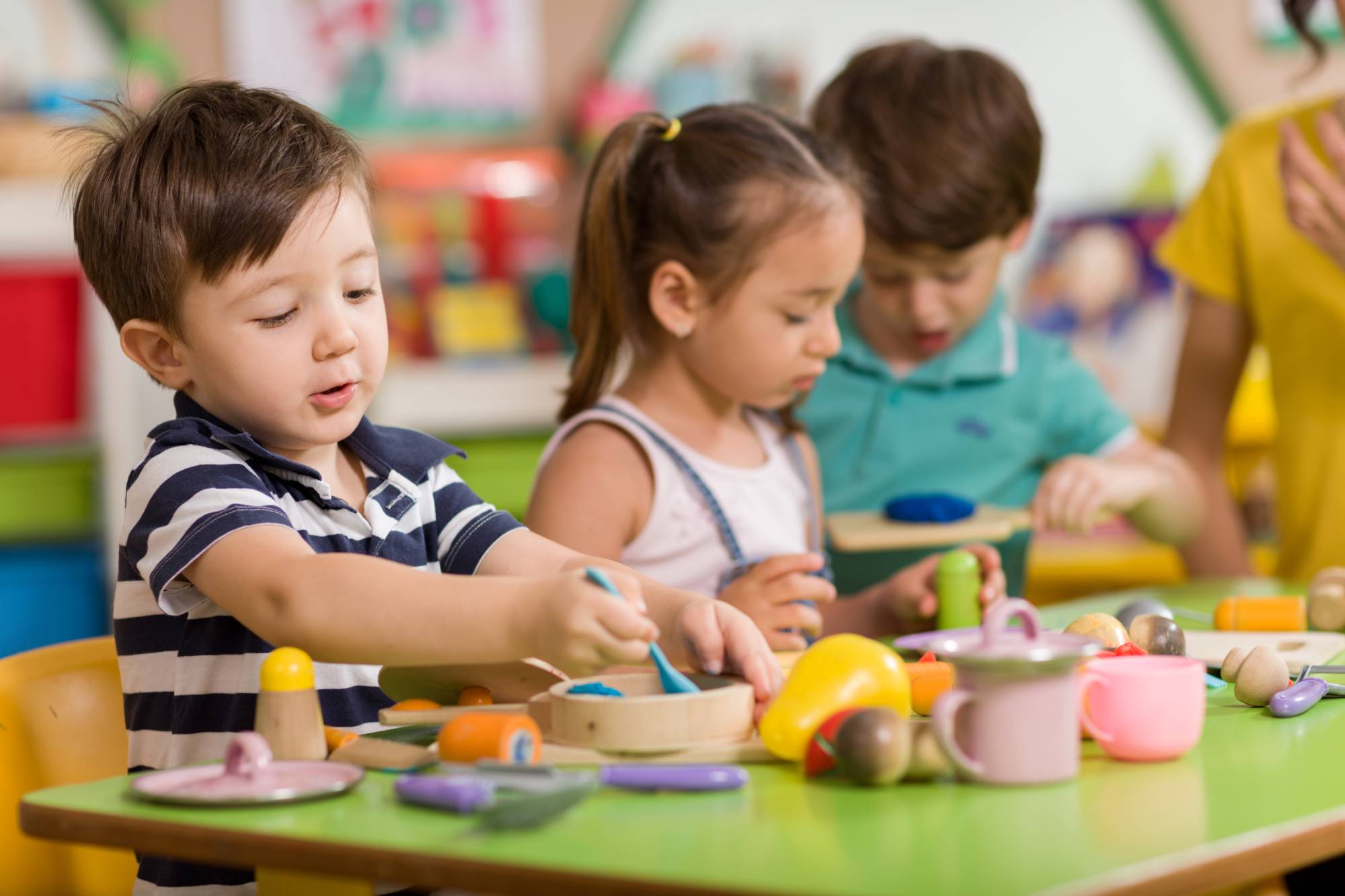
On any weekday morning in Brooklyn, you’ll see parents walking their little ones past brownstones, through leafy streets, toward a new day of discovery. In those moments, they’re placing enormous trust in the hands that will guide their child’s earliest learning experiences.
Brooklyn parents care deeply about where their children spend their days, and for good reason. Early childhood experts consistently point to the first five years as one of the most influential stages in a child’s development. The experiences children have during this stage help establish the foundations of communication, confidence, emotional growth, social interaction, and long-term school readiness.
A quality daycare and learning center should create opportunities for exploration, encourage social development, introduce age-appropriate learning experiences, and help children feel safe, supported, and excited to participate each morning. Here’s what discerning parents should prioritize.
What to Look for in a Daycare Center: Key Factors Every Parent Should Consider
Parents researching what to look for in a daycare center should focus on the full experience a child will have. Each day should allow your child to explore, learn, and grow with encouragement from attentive teachers.
During your visits, prioritize these essentials:
- Clean, organized classrooms and secure entry systems
- Qualified teachers who interact warmly with children
- Structured learning activities balanced with play and creativity
- Daily routines that support social and emotional development
- Clear communication and regular updates for families
Visiting in person is critical. Watch how children respond to their teachers, observe transitions between activities, and pay attention to classroom energy. A positive environment feels calm, happy, and full of curiosity.
A Strong Early Learning Curriculum Must Be a Priority
Not all daycare centers approach learning the same way. Some provide primarily free play, while others integrate developmentally appropriate academics designed around each age group’s needs.
A strong early learning program introduces literacy through rich storytelling, phonemic awareness activities, and engaging conversations. It nurtures problem-solving skills through counting games, hands-on exploration, and guided sensory play using shapes, colors, and patterns.
Artistic expression through painting, rhythm, movement, or drama helps children approach learning with joy and creativity.
These experiences encourage children to think critically and collaborate while discovering the joy of learning. For example, painting a neighborhood scene helps a child express creativity and make connections to familiar Brooklyn landmarks or community life.
The Power of Skilled Educators and Compassionate Staff
Behind every great daycare is a team of dedicated educators who understand childhood’s tender balance between discovery and reassurance. Look for centers that employ teachers trained in early education or child development. These professionals are mentors who model empathy, problem-solving, and perseverance.
A low student-to-teacher ratio makes sure every child receives attention and encouragement throughout the day. Teachers who kneel down to a child’s eye level, listen patiently, and celebrate small victories foster true trust and belonging.
You can often sense the culture of a center through its staff. Consistent greetings, calm tones, and visible joy in the classroom all signal a team that values connection. Parents should also have access to meet teachers beforehand, read staff bios, and understand the center’s approach to ongoing professional training.
Safe, Clean, and Child-Friendly Facilities Matter
For many families searching for the best daycare in Brooklyn, NY, safety and environment are immediate priorities. A reputable daycare and learning center should have secure entry systems, clear supervision policies, and staff who actively monitor children throughout the day. Controlled access and attentive oversight help parents feel confident about their child’s well-being.
Cleanliness and organization reveal a lot about how a center operates. Floors, restrooms, and eating areas should be spotless, and classroom materials well cared for. Look for inviting reading corners, sturdy climbing toys, and designated play zones. These elements show intention and respect for the learning environment.
Social Development and Classroom Interaction Are Essential
A daycare experience should support far more than routines and supervision. In early childhood, children are learning how to be part of a group for the first time. They are practicing how to share, take turns, use words instead of frustration, and find friendships in a safe, guided setting.
Planned classroom interaction helps children grow into independent thinkers while still feeling connected to a community. With gentle coaching from teachers, they learn how to tackle small conflicts, show empathy, and express their feelings in healthy, age-appropriate ways.
Parent Communication and Family Involvement Should Never Be Overlooked
A high-quality daycare and learning center values open communication with families. Parents should receive regular updates on their child’s progress, whether through daily notes, photos, or digital communication platforms.
When teachers and parents exchange insights and celebrate milestones together, children thrive. Consistent communication generates trust and reassures parents that their child is happy, supported, and learning in a safe environment.
Strong daycares also invite families to participate in events, read-alouds, or learning activities, to create a true sense of community.
Why Brooklyn Parents Prefer Structured Daycare and Learning Centers
Across neighborhoods from Park Slope to Williamsburg, more families are looking beyond basic childcare and choosing programs that feel intentionally educational. The demand for a high-quality daycare and learning center continues to grow because parents want their children to learn school readiness skills early.
Families searching for the best daycare in Brooklyn, NY tend to prioritize centers that support the full picture of development, including:
- Early academics
- Social confidence
- Emotional growth
- Classroom routines
Parents also value nurturing classrooms that offer enrichment, such as music, art, movement, and language exposure. Centers with age-specific classrooms and clear learning pathways help children transition smoothly from one stage to the next.
Questions Parents Should Ask During a Daycare Tour
Touring gives you an authentic sense of how a daycare operates day to day. Bring these questions with you:
- What does a typical day look like? Ask how learning times, naps, and meals are scheduled.
- How are teachers trained and supported? Ongoing professional development shows a center’s commitment to quality.
- What’s the student-to-teacher ratio? Smaller ratios mean more personalized care.
- How is safety maintained? Confirm pickup procedures, visitor policies, and supervision during outdoor play.
- How do you support emotional development? Programs should emphasize conflict resolution, empathy, and resilience.
Observe, too, whether children appear comfortable, engaged, and happy. It’s the strongest signal that you’ve found the right daycare with play-based learning.
Give Your Child the Start They Deserve
Choosing the right daycare is an emotional and important decision. The right daycare in Brooklyn, NY, will help build the foundation for lifelong learning and confidence. Every family should look for structured programs led by caring, qualified teachers within safe, joyful classrooms.
At BSE Early Excellence Academy, our early learning center daycare combines academic growth, social development, and emotional nurturing to create a foundation for lifelong success. Our programs are designed specifically for Brooklyn families who want their children to feel secure, respected, and excited to learn each day.
We invite you to schedule a visit, explore our classrooms, and discover how our programs prepare children for kindergarten and beyond. Call us at 347-988-9944 today.
FAQs: What Parents Should Look for in a Brooklyn Daycare Center
What should parents look for in a daycare center?
Parents should prioritize safety, cleanliness, qualified teachers, structured activities, and open communication. A great center balances academics, play, and emotional development, creating an environment where children feel loved and ready to learn.