Brooklyn School of Excellence Early Excellence

Blogs
Social Skills Children Develop Through Preschool Learning Programs
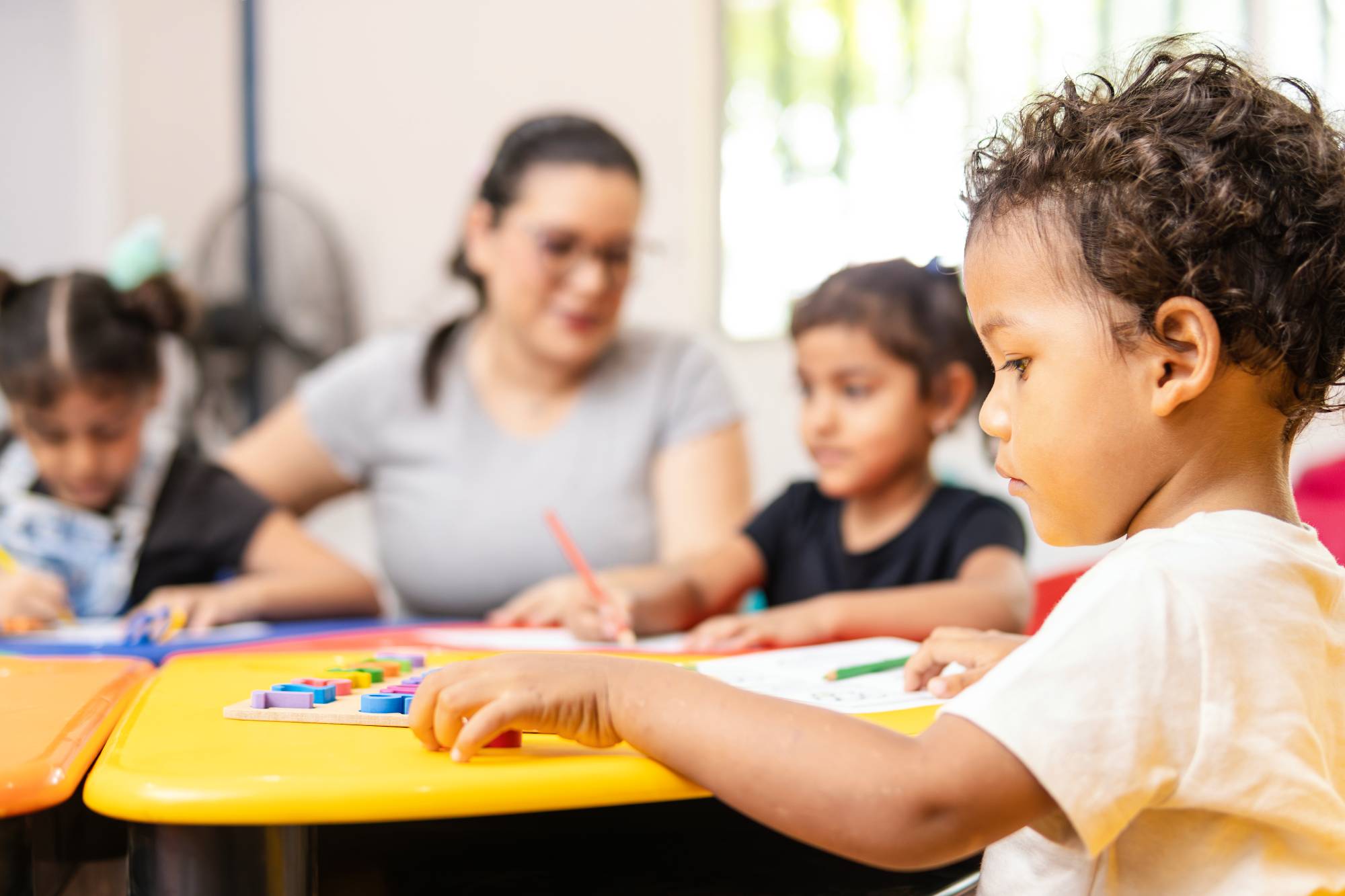
When parents evaluate preschools or daycare programs, their focus typically gravitates toward academics, including letters, numbers, and kindergarten readiness. While academics are indeed vital, one of the most meaningful outcomes of a quality preschool experience lies in something less visible but far more foundational: social skills.
These early years are where children begin to understand what it means to be part of a group: to share ideas, listen, empathize, and cooperate. Learning these social behaviors not only lays the groundwork for academic readiness but also for emotional intelligence and lifelong interpersonal success.
At BSE Early Excellence Academy, we view preschool as a balance of academic discovery and emotional growth. Our programs create spaces where children learn how to express themselves, work with others, and grow into confident, kind individuals ready for the world ahead.
Below, we’ll take a closer look at the social skills children develop through learning programs for preschoolers, and how these skills help prepare them for future success both inside and outside the classroom.
What Is Social Development in Early Childhood?
Social development in early childhood refers to how young children learn to interact with others, understand emotions, and form healthy relationships. It begins with recognizing social cues, like a smile, a tone of voice, or a small gesture, and gradually expands into complex behaviors like teamwork, sharing, and self-regulation.
In preschool, this development happens organically through play, conversation, and guided group participation. When children share building blocks or invite a friend to join a game, they’re practicing negotiation and cooperative problem-solving.
Still, social development in preschoolers doesn’t happen by accident. Preschool programs must create purposeful opportunities for children to practice social and emotional learning (SEL) every day. Teachers model empathetic communication, encourage patience, and gently coach children through misunderstandings within a structured but nurturing environment.
Why Preschool Years Are Important for Social Growth
The preschool years mark one of the most critical windows for emotional and social learning. For many children, this is their first consistent experience outside the family unit, where they begin to build independence while still learning cooperation.
Everyday preschool routines, such as lining up for recess, sitting for story time, or waiting patiently during snack distribution, teach children patience and consideration for others. Exposure to diverse classmates also helps children become more adaptable and comfortable interacting with different personalities and communication styles.
Over time, these daily interactions help children become more confident following routines, participating in classroom discussions, and adjusting to new social situations both inside and outside school.
Key Social Skills Children Learn in Preschool Programs
A high-quality preschool experience gives children a foundation of social-emotional competencies that form the basis of strong relationships and resilient behavior.
Communication and Active Listening
Preschool lays the groundwork for effective communication. During circle time discussions and storytelling, children practice expressing thoughts clearly and respectfully. They also learn how to listen carefully, wait their turn, and respond thoughtfully during conversations. Teachers encourage them to use words to describe emotions, which helps reduce frustration and broaden emotional vocabulary.
Sharing & Cooperation
Playing together in small groups teaches children how to compromise, share materials, and work toward a common goal. As children participate in building projects or creative art sessions, they discover that problems can be solved more easily when everyone contributes.
Empathy & Emotional Awareness
A cornerstone of social development in preschoolers is empathy: the ability to recognize and respond to others’ feelings. Preschoolers develop this through stories, role-playing exercises, and real-life observations. Teachers help children understand kindness, respect, and how their actions affect classmates during everyday interactions.
Problem-Solving and Conflict Resolution
Disagreements are inevitable in a preschool setting, and it’s important to know how to resolve them. Teachers often guide children to express what’s bothering them and listen to the other child’s perspective. Whether deciding who gets the next turn or how to fix a broken tower, young learners practice compromise, patience, and understanding.
Confidence & Independence
Preschool classrooms encourage children to take small but meaningful steps toward independence every day. Simple responsibilities, like cleaning up after activities, choosing a learning station, or participating during group discussions give them the confidence to take initiative. Strong social development in early childhood helps children feel more secure entering future school settings.
Classroom Activities That Build Emotional Awareness
In addition to academic learning, preschool classrooms introduce activities specifically designed to help children understand and manage emotions. These experiences give children opportunities to practice communication, empathy, patience, and emotional regulation during everyday interaction.
Over time, children learn how to recognize feelings, express frustration appropriately, calm themselves after disappointment, and respond more thoughtfully during social situations.
Role-Playing Social Situations
Acting out familiar scenarios, like sharing snacks or visiting the doctor, allows children to practice empathy and communication in a playful setting.
Storytelling and Emotional Discussions
Teachers often use stories and guided discussions to help children recognize feelings and understand behavior. Talking about how characters feel during a story helps children build empathy and emotional awareness.
Group Activities
Collaborative games, partner activities, and group projects encourage children to cooperate, communicate, and support one another during classroom interaction. These experiences strengthen preschool social skills and help children feel more confident participating in group environments.
Daycare and Social Development: The Everyday Benefits
One of the biggest transitions young children experience is learning how to function confidently outside the familiarity of home. Daycare and preschool environments help children gradually get comfortable in structured group settings where they interact with peers, follow routines, and participate independently throughout the day.
Daily Interaction Encourages Stronger Communication
Consistent interaction helps support healthy social development in preschoolers by giving children regular opportunities to communicate, cooperate, and participate in group activities. Every day classroom experiences help children become more comfortable speaking, listening, and engaging with others.
Classroom Routines Encourage Responsibility and Cooperation
Structured schedules teach children how to follow instructions, transition between activities, wait patiently, and respect classroom expectations. These routines help children develop stronger social awareness and group participation skills over time.
New Experiences Help Children Gain Independence
As children adjust to daycare and preschool environments, many become more comfortable separating from parents, joining activities independently, and participating confidently in new social situations.
BSE Early Excellence Academy’s daycare and early learning programs are intentionally designed to provide these layered benefits, nurturing social, emotional, and cognitive growth simultaneously.
The Role of Teachers in Supporting Preschool Social Skills
No part of a child’s social development happens in isolation. Preschool educators are the anchors helping young learners navigate relationships and understand their place in a group.
Teachers model politeness, provide language for expressing emotions (“I feel upset because…”), and frame conflicts as learning opportunities. Their approach establishes trust and teaches children how to respond thoughtfully rather than react impulsively.
Importantly, teachers in day centers with structured learning also recognize that every child’s pace and personality are unique. They celebrate progress while making sure no child feels left behind socially or emotionally.
Signs Your Child Is Developing Strong Social Skills
When social skills begin to take shape, you’ll see small but powerful changes in daily life:
- They start greeting others voluntarily and making eye contact.
- They offer to share or help a friend without being asked.
- They express feelings with words instead of physical reactions.
- They adapt better to transitions and group situations.
These are early signs that your child is developing the confidence and awareness to navigate both classroom life and personal relationships.
If you’re unsure whether your child is ready for preschool or would benefit from additional support, our team can help. Contact BSE Early Excellence Academy through our Admissions page or schedule a visit to learn more about readiness and next steps.
Preparing for Lifelong Success
The social skills children develop during preschool continue shaping the way they learn, communicate, and build relationships as they grow. Skills like empathy, cooperation, emotional awareness, and problem-solving help children feel more prepared for classroom participation and everyday social situations.
At BSE Early Excellence Academy, we understand that educating young minds begins with nurturing hearts. Our preschool and daycare programs blend academic enrichment with social-emotional learning to help each child grow into a confident, empathetic, and independent learner.
Ready to see how your child can grow socially, emotionally, and academically in a supportive learning environment? Call us at 347-988-9944 or Visit our contact page to schedule a tour or learn more about enrollment today.
Frequently Asked Questions
Why are social skills important in preschool?
What is social development in early childhood?
How do preschool programs improve social skills?
What are examples of social-emotional learning activities for preschool?
How can parents encourage social development at home?
Parents can model kindness, discuss emotions, and provide opportunities for playdates or neighborhood interaction to reinforce what children learn in school.
How do teachers help with social development in preschoolers?
Teachers support social development in preschoolers by modeling respectful communication, guiding children through conflicts, encouraging participation, and creating positive classroom environments. They also help children express emotions appropriately and build confidence during everyday social interaction and group activities.
What social skills should preschoolers develop before kindergarten?
Before kindergarten, preschoolers should begin developing communication, listening, cooperation, sharing, emotional expression, empathy, and problem-solving skills. Children should also become more comfortable following classroom routines, participating in group activities, and interacting respectfully with peers and teachers.
When should I start looking for a preschool program?
The earlier children are exposed to structured play and group learning, the more naturally social skills develop. Explore our Programs page to find the best fit for your child’s age and developmental stage.